Modern medicine dazzles. We now have robotic surgery, minimally invasive procedures, advanced imaging, and telemedicine. Outcomes are better. Recovery is faster. Technology has transformed the landscape of healthcare.
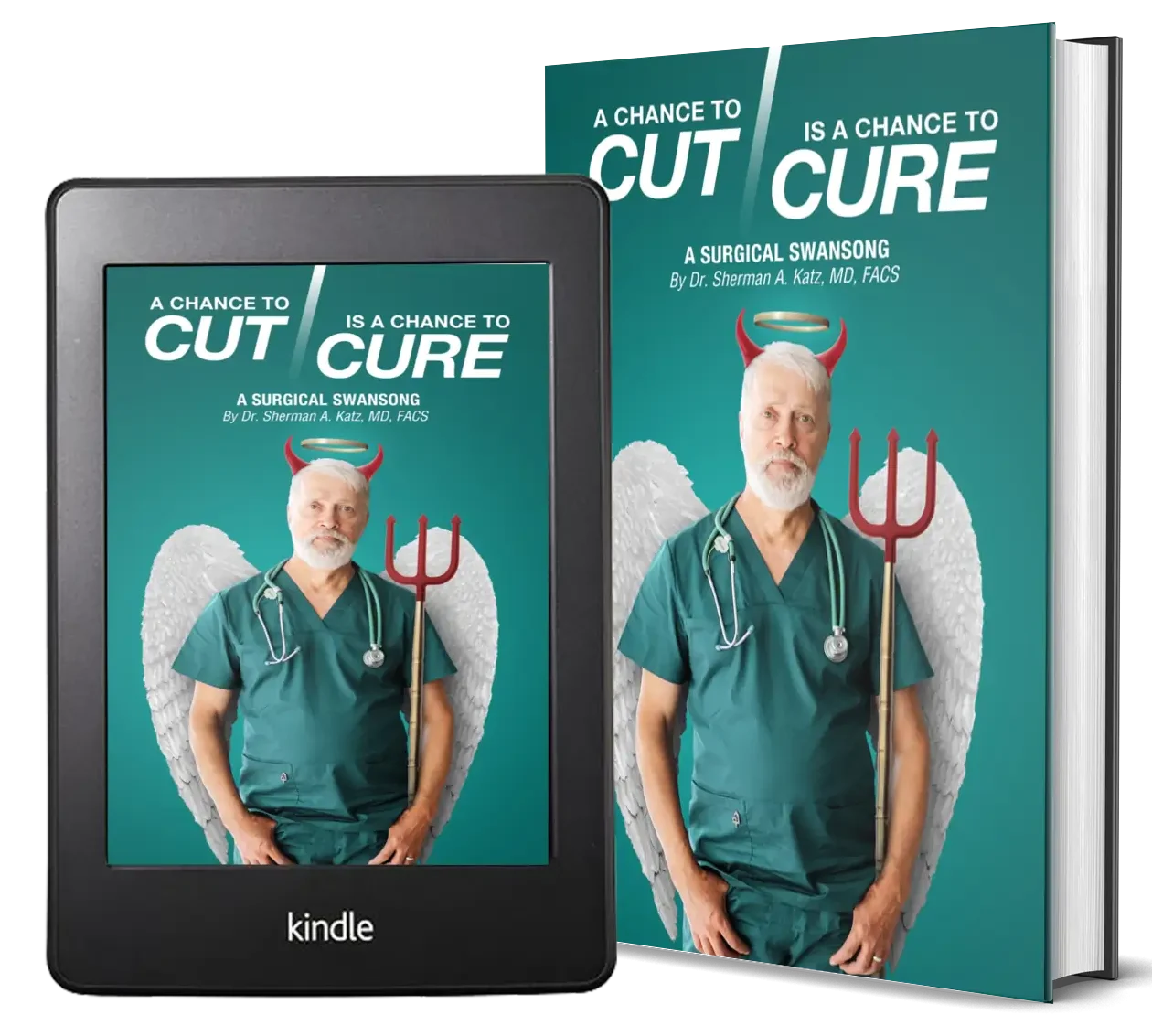
But as Dr. Sherman A. Katz MD reveals in A Chance to Cut is a Chance to Cure: A Surgical Swan Song, the price of this progress is not paid in dollars alone—it is paid in humanity.
Dr. Katz’s MD memoir is both a celebration and a lament. After fifty years in the operating room, he has witnessed the evolution of medicine firsthand. And what he sees is not just change, but loss: the fading of compassion, the erosion of the doctor-patient bond, and the slow depersonalization of a once-sacred profession.
“Medicine was both an art and a science in the earlier times,” Katz writes. Today, it often feels like neither. Physicians are increasingly reduced to data-entry clerks, bound by bureaucratic checklists and third-party interference. The surgeon’s intuition, once honed over years of direct care, is now second-guessed by insurance algorithms and institutional policy.
What is missing in this brave new world is soul.
In A Chance to Cut is a Chance to Cure, Dr. Katz MD chronicles not only his surgical triumphs and tribulations, but the emotional and ethical cost of keeping up with a system that no longer prioritizes care. Doctors are now “worker bees,” he says—disenfranchised, exhausted, and stripped of autonomy. Patients have become “widgets” in an assembly line of care, their uniqueness smoothed over by protocols and pre-authorizations.
It’s not that Katz is against innovation—far from it. He praises the breakthroughs that have made surgery safer and more effective. But he cautions that in chasing efficiency, we may be discarding the very essence of what it means to heal. “Compassion is a word that I seldom hear used in medicine anymore,” he notes with sadness.
This farewell to the old ways is not just about nostalgia—it is a warning. In stripping away the human connection, we risk turning doctors into technicians and patients into charts. Medicine may be curing more, but it is caring less. And as Dr. Katz argues, the healing of mind and body must go hand in hand.
For healthcare professionals, policymakers, and patients alike, A Chance to Cut is a Chance to Cure is a vital read. It reminds us that every technological advance must be accompanied by an ethical reckoning. Progress must not cost us our compassion.
This is not just Dr. Katz’s MD farewell. It is a call to remember what truly matters: not just cutting to cure, but caring to heal.