Dr. Sherman A. Katz’s A Chance to Cut Is a Chance to Cure is many things: a memoir, a tribute, a lament. But it is also a gift to the next generation of doctors — a handbook of values written not as a lecture, but as lived experience. For medical students, residents, and early-career physicians, this book reads like mentorship in its purest form.
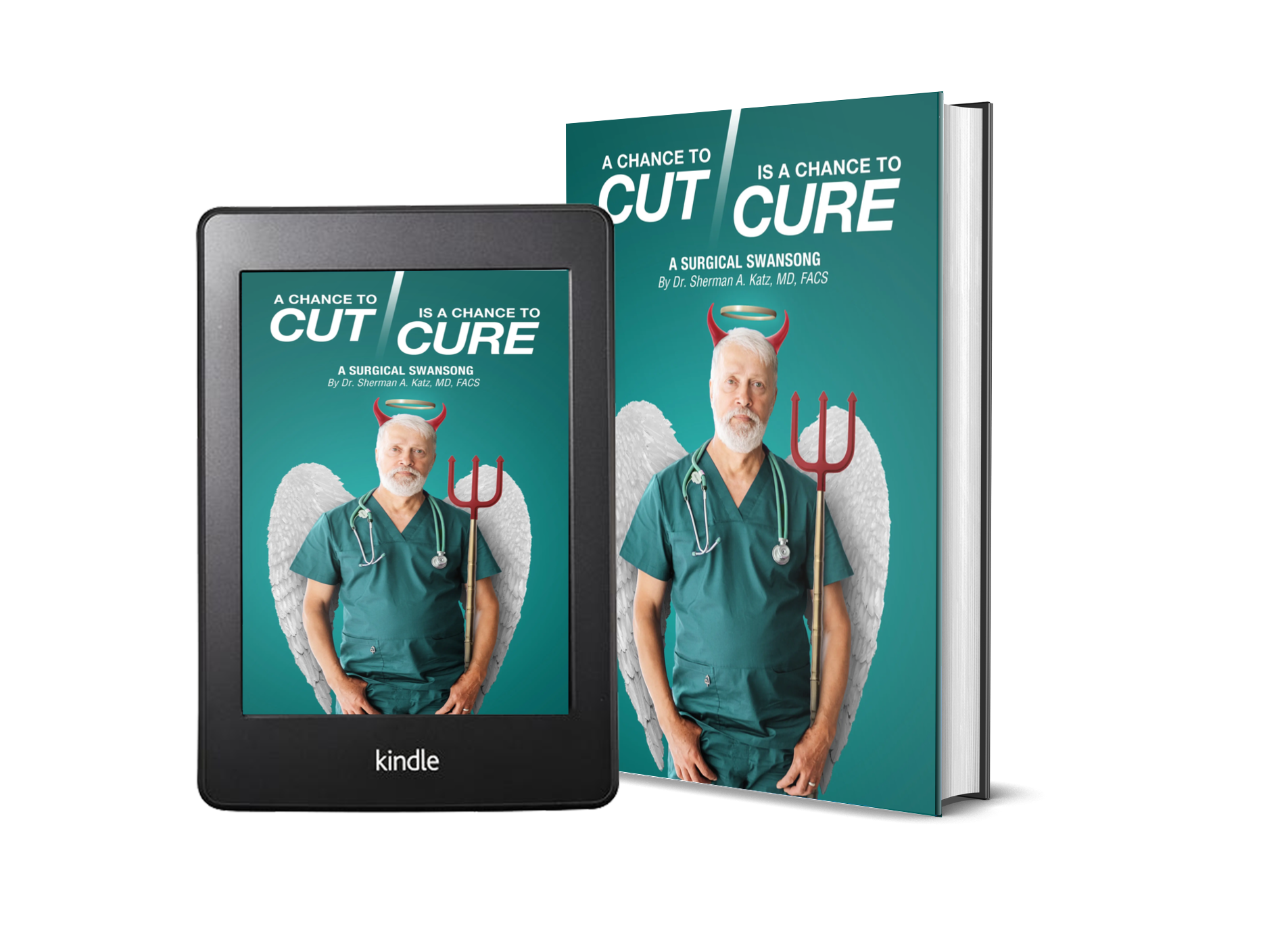
Katz doesn’t just describe what he did — he reveals why he did it, and what it meant. In a time when medicine was more analog, more visceral, and more personal, every action carried weight. Every decision was deeply felt. For Katz, medicine was never just a job; it was a vocation. And he urges young doctors to reclaim that sense of calling.
One of the central messages to new physicians is this: don’t let the system rob you of your humanity. Corporate healthcare, algorithmic protocols, and productivity quotas can numb the senses. They can convince you that your value lies in how many patients you see or how efficiently you code. But Katz reminds us: “The best medicine is personal. If you forget that, you forget the point.”
He encourages young physicians to listen — truly listen — to their patients. Not just for symptoms, but for fears. Not just for patterns, but for stories. In Katz’s world, intuition wasn’t soft science — it was a surgical tool. Knowing when not to cut was just as valuable as knowing how.
He also reminds doctors that their education doesn’t end with graduation. Experience is the great teacher — and it often teaches through failure. Katz doesn’t hide his mistakes. He shares them to show that growth comes not from perfection, but from humility. “You’ll be wrong,” he says. “The key is to be honest. With yourself and with your patients.”
Perhaps the most profound lesson is about legacy. In the fast-paced grind of modern medicine, it’s easy to lose sight of what kind of doctor — and person — you want to be. Katz challenges young doctors to ask themselves: What will your patients remember about you? Your empathy? Your courage? Your presence? Or your efficiency?
A Surgical Swan Song offers no romantic illusions about the past — Katz acknowledges the flaws of his era. But it also offers no apology for caring deeply. He shows that technical skill matters, yes, but it’s not enough. What endures is integrity, compassion, and the unshakable belief that healing is as much about trust as it is about treatment.
For every young doctor facing burnout, doubt, or disillusionment, Katz’s story is a lifeline. It’s a quiet voice saying: “You are more than a provider. You are a healer. Don’t let the system make you forget that.”