In A Chance to Cut is a Chance to Cure, Dr. Sherman A. Katz, MD takes readers on a compelling journey through five decades of surgical practice. But it is not just his story—it is a heartfelt tribute to the towering figures who shaped the surgical world of the past. These mentors, with their commanding presence, unwavering confidence, and battlefield-born wisdom, are the “ghosts in the OR” that still linger in the memories of those who knew them.
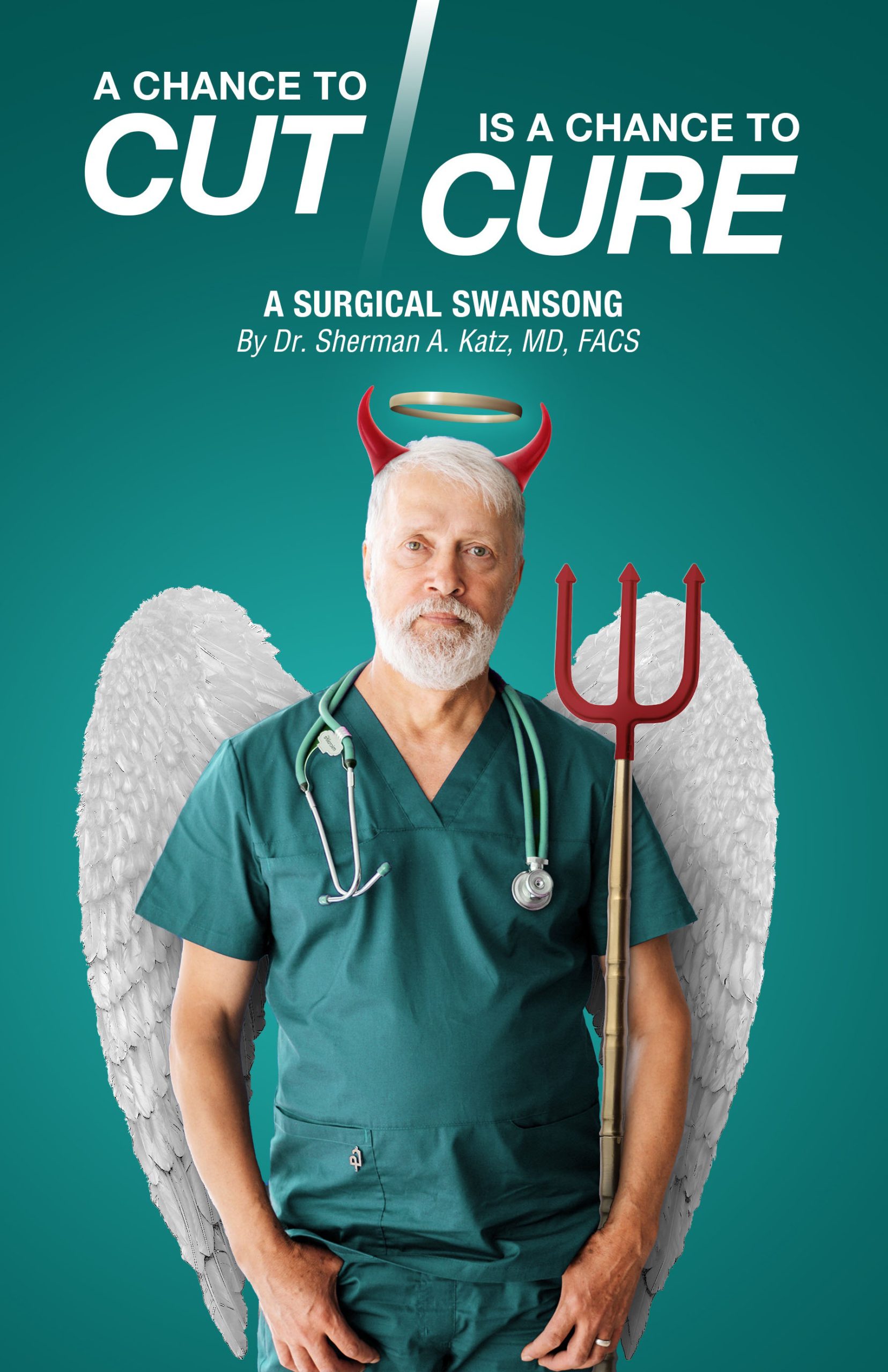
Dr. Katz MD calls them “giants,” and rightly so. These were surgeons who approached their calling with a mix of bravado and compassion, of steel nerves and soft hearts. They were larger-than-life personalities—some gruff, some theatrical, but nearly all dedicated to an ideal of medicine that is now vanishing in the digital haze of modern healthcare. They wore their battle scars with pride, taught through action more than words, and made deep, lasting impressions on their trainees.
“They were, and still are, called Surgeons,” Dr. Katz MD writes, casting these figures as the last of a noble breed. These were not sanitized professionals beholden to corporate metrics. They were healers, innovators, warriors—often flawed, always fascinating.
The operating room was their stage, and they played their parts with intensity and conviction. Some had egos that could fill the OR, while others had humor so dark it bordered on gallows poetry. Yet beneath the surface, they all shared one trait: an unwavering sense of duty to the patient, no matter the cost. They were the keepers of secrets, the bearers of impossible decisions, the human hands behind medical miracles.
In the book, Dr. Katz MD describes how mentorship was not always gentle. “I initially wanted to be a hard-ass like a lot of surgeons are,” he admits. But with time, he found his own voice—softer, more empathetic—while still honoring the intensity and commitment of his predecessors. This evolution reflects the complex balance every surgeon must find between technical precision and emotional resilience.
What makes this tribute so powerful is not nostalgia, but reverence. These ghosts in the OR were not perfect. They made mistakes. They sometimes pushed too hard or resisted change. But they operated with a code, a commitment to the craft, and a devotion to the calling of surgery that transcended their personal flaws.
Today, as robotic arms replace hands and protocols replace intuition, Dr. Katz’s MD reflections serve as a reminder that surgery is not only about skill—it is about soul. These old-school mentors passed down more than techniques. They passed down courage, philosophy, and a vision of medicine as a sacred trust.
For medical professionals, students, and anyone fascinated by the human side of healthcare, A Chance to Cut is a Chance to Cure is more than a memoir—it is an homage to a vanishing era. In its pages, the ghosts in the OR live on, reminding us that behind every procedure is a legacy of human connection, sacrifice, and extraordinary dedication.